
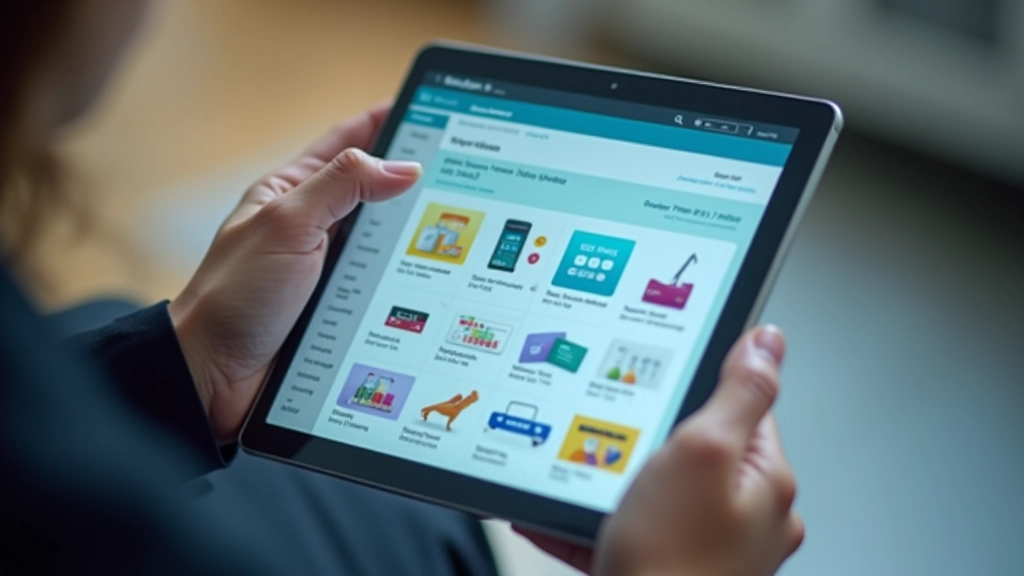
E-Commerce Boom: Growth Drivers and Market Trends
Malaysia’s e-commerce sector is experiencing rapid expansion driven by mobile adoption, logistics improvements, and changing consumer behavior.
Read ArticleDigital payments, mobile banking, and cryptocurrency adoption rates are climbing as Malaysians embrace fintech solutions. We’re looking at adoption patterns, challenges, and what’s driving change.

Malaysia’s financial services sector is in the middle of a significant shift. We’re not talking about slow, gradual change — the numbers tell a different story. Mobile banking users have grown from 3.2 million in 2018 to over 12 million by 2025. That’s real momentum.
What’s driving this? It’s a combination of factors. Better internet access, younger demographics who’ve never used traditional banks exclusively, and regulatory frameworks that actually encourage innovation. The Central Bank of Malaysia has been surprisingly forward-thinking about digital payments and cryptocurrency oversight. They’ve created space for fintech to grow while maintaining consumer protection.
The shift isn’t uniform across Malaysia though. Urban centers like Kuala Lumpur and George Town lead in adoption rates, while rural areas are catching up. E-wallet usage alone grew by 156% between 2022 and 2025. That’s not just trending — it’s reshaping how financial transactions happen.

Digital wallets aren’t the future in Malaysia anymore — they’re the present. The statistics show consistent growth across every metric that matters.
What’s interesting is that adoption isn’t just happening in the banking space. Payment apps, investment platforms, and insurance tech are all experiencing similar growth trajectories. Grab, GCash integration, and local fintech apps like Boost and Touch ‘n Go have become household names. You’ll see them used everywhere from coffee shops to taxi fares.


Several factors are working together to push fintech adoption forward in Malaysia. First, there’s the demographic reality. Over 60% of Malaysia’s population is under 40 years old. This generation didn’t grow up waiting in bank queues. They expect financial services to be available on their phones, instantly, without friction.
Second, regulatory clarity matters more than people realize. Bank Negara Malaysia (the central bank) released fintech guidelines that created actual pathways for innovation. Rather than saying “no,” they said “here’s how you can operate safely.” That difference is enormous. Companies like Kredivo, which offers buy-now-pay-later services, and Fintech Association of Malaysia members have been able to scale because the rules are clear.
Third, there’s the COVID factor that persists. The pandemic forced digital adoption. Even though lockdowns ended, the habits stuck. Contactless payments went from novel to expected. People experienced the convenience and didn’t go back.
Finally, competition is fierce. When Grab added financial services, traditional banks had to respond. When banks launched their own apps, fintech companies had to innovate faster. That competitive pressure benefits consumers through better features, lower fees, and constant improvement.
Fintech adoption isn’t happening uniformly, and there are real barriers preventing faster growth.
Broadband infrastructure isn’t equally distributed. Rural adoption sits at 38% compared to 67% in cities. Internet reliability is the core issue — you can’t use a mobile payment app without stable connectivity.
Older demographics (50+) express legitimate concerns about cybersecurity. Data breaches in the region have been reported, creating hesitation. It’s not irrational — it’s based on real incidents that happened.
Multiple payment standards and platforms mean customers often need 3-4 apps to cover their payment needs. Unified systems would accelerate adoption, but building consensus is difficult.


The next phase of fintech adoption in Malaysia is likely to focus on three areas: accessibility, integration, and sophistication.
Accessibility means closing the rural-urban gap. The government’s digital infrastructure initiatives (part of MyDIGITAL blueprint) are explicitly targeting broadband expansion. When rural areas get reliable connectivity, fintech adoption will follow naturally.
Integration is about reducing app fragmentation. Open banking standards are being discussed at regulatory levels. The idea is that your bank account data could be securely shared with different financial apps, so you don’t need separate accounts everywhere. This is already happening in Europe and Asia — Malaysia is working toward similar frameworks.
Sophistication means moving beyond payments. Robo-advisory services, AI-powered personal finance tools, and blockchain-based services are the next frontier. These aren’t just for wealthy investors anymore. Malaysian fintech companies are building these for mass market.
There’s also the regulatory evolution. Bank Negara Malaysia has been cautious but progressive with cryptocurrency. As global standards solidify, Malaysia’s approach will likely become clearer. Clarity drives adoption.
“Malaysia’s fintech sector isn’t following global trends — it’s setting its own pace based on local needs. That’s creating something unique in Southeast Asia.”
Fintech adoption in Malaysia is reshaping financial services faster than traditional institutions anticipated. We’re seeing real numbers — millions of users, significant transaction volumes, and measurable growth across every metric. The drivers are clear: younger populations, regulatory support, competitive pressure, and changing consumer expectations.
The obstacles are real too, but they’re not insurmountable. Rural connectivity is improving. Security standards are tightening. Industry collaboration is increasing. What was cutting-edge three years ago is now standard. What’s standard today will be basic tomorrow.
For anyone involved in Malaysia’s financial sector — whether you’re a consumer, business owner, or industry participant — understanding this shift isn’t optional. It’s happening whether you’re actively participating or not. The smart move is staying informed about how fintech adoption is changing the landscape, what it means for security and accessibility, and where the opportunities are emerging.
The fintech revolution in Malaysia isn’t coming. It’s here, growing, and reshaping everything.


This article provides informational content about fintech adoption trends and patterns in Malaysia. It’s not financial advice, investment guidance, or a recommendation to use any specific financial service or technology platform. Financial services involve risk, and individual circumstances vary significantly. Before making decisions about digital payment services, investments, or cryptocurrency, we encourage you to consult with qualified financial professionals, tax advisors, or regulatory authorities. The information reflects market conditions as of March 2026 and may change. Always verify current regulations and security practices with official sources like Bank Negara Malaysia.