
E-Commerce Boom: Growth Drivers and Market Trends
Malaysia’s online retail sector is experiencing unprecedented expansion, driven by mobile adoption and changing consumer behaviors across the nation.
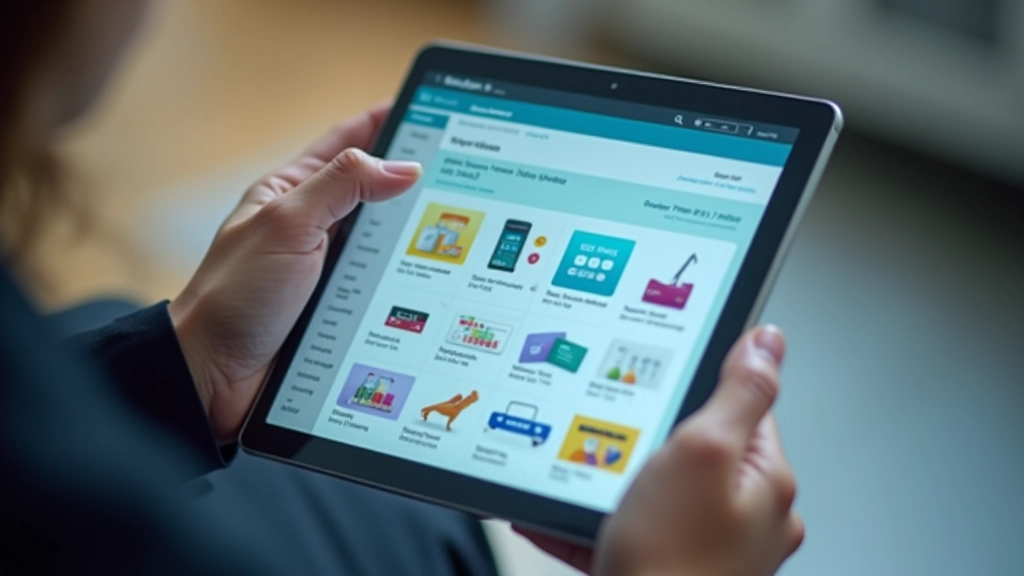
The Digital Shopping Revolution
We’re witnessing a transformation in how Malaysians shop. It’s not just about convenience anymore — it’s become the default way people discover and purchase products. From fashion to groceries, online shopping has moved from a novelty to everyday reality.
The numbers tell the story. E-commerce transactions in Malaysia have grown at double-digit rates for the past three years. But what’s driving this boom? It’s a perfect storm of better internet access, faster delivery networks, and consumers who’ve discovered they can get what they want without leaving home.

What’s Fueling the Growth
Several interconnected factors are pushing Malaysia’s e-commerce sector forward at an accelerating pace.
Mobile-First Shopping
Over 78% of online shopping happens on mobile devices. Smartphones aren’t just for browsing anymore — they’re complete shopping tools with integrated payment systems and one-click purchasing.
Logistics Infrastructure
Delivery has become faster and more reliable. Same-day delivery in Kuala Lumpur, next-day service nationwide, and improved last-mile solutions mean customers can shop with confidence.
Digital Payment Options
E-wallets, buy-now-pay-later services, and digital banks have made online transactions smoother. You’re not limited to credit cards anymore — there’s a payment method for everyone.
Changing Consumer Behavior
A generation that grew up online is now the primary shopping demographic. They’re comfortable with digital interactions, expect seamless experiences, and actively seek out online deals.
Market Trends Shaping 2026
The landscape is evolving rapidly. Platforms are becoming more specialized rather than trying to be everything to everyone. You’ll see dedicated marketplaces for specific categories — fashion has its own ecosystem, electronics has another, and grocery shopping has moved almost entirely online in urban areas.
Social commerce is changing how people discover products. It’s not just scrolling through catalogs anymore. Livestream shopping events, influencer recommendations, and peer reviews drive purchasing decisions. The average shopper spends time on social platforms and ends up making purchases directly from those channels.
Cross-border shopping has become mainstream. Malaysians aren’t limited to local sellers anymore. Platforms connecting Southeast Asian merchants mean more choices, often at competitive prices. This’s pushing local retailers to improve their offerings and service quality.

Leading Categories and Sectors
Different product categories are experiencing growth at different rates, with some showing explosive expansion.
Fashion & Apparel
Still the largest category by transaction volume. Virtual try-ons and detailed size guides are reducing return rates.
Electronics & Gadgets
High-value items moving online. Extended warranties and easy returns make customers comfortable with big purchases.
Grocery & Food
Fastest-growing segment. Convenience and time-saving have made online groceries non-negotiable for busy professionals.
Beauty & Personal Care
Growing through subscription models and beauty tech integration. Augmented reality features help with product selection.

Challenges and Opportunities Ahead
The boom isn’t without friction. Last-mile delivery remains expensive in less developed areas, which is why online shopping is concentrated in urban centers. Returns management is costly — we’re seeing retailers develop better strategies to reduce return rates through improved product descriptions and customer education.
There’s also the matter of trust. Counterfeit products and unreliable sellers still damage the sector’s reputation. Platforms that implement stricter seller verification and buyer protection policies are winning customer loyalty. Authentication technology and blockchain verification are starting to appear in the market.
Skills gaps in the logistics and tech sectors are creating bottlenecks. Finding talent for warehouse management, data analysis, and platform development isn’t easy. Companies investing in training and competitive compensation are pulling ahead.

What’s Next for Malaysian E-Commerce
The trajectory is clear. By 2027, we’re looking at e-commerce accounting for roughly 15-18% of total retail sales in Malaysia. That’s a significant shift from where we were five years ago. Rural areas will gradually come online as internet speeds improve and logistics networks expand beyond major cities.
“Digital adoption isn’t slowing down. It’s accelerating. The companies that thrive won’t be the biggest — they’ll be the ones who understand their customers best.”
Consolidation is happening. Smaller players are either getting acquired or partnering with larger platforms for survival. We’re moving toward a landscape with fewer but stronger players dominating specific niches rather than trying to compete across all categories.
Technology integration will accelerate. Artificial intelligence for product recommendations, augmented reality for virtual try-ons, and predictive analytics for inventory management aren’t future concepts — they’re becoming standard features. Retailers who don’t invest in these tools will fall behind.
The most exciting development? The emergence of local champions. Malaysian companies are learning from global players and creating solutions tailored to local needs. They understand regional preferences, local payment methods, and cultural nuances that international platforms often miss.
Exploring the Digital Economy
Want to dive deeper into Malaysia’s digital transformation? Explore related insights on fintech adoption, the MyDIGITAL blueprint, and technology’s contribution to national growth.
Learn MoreRelated Articles



Information Disclaimer
This article provides educational information about Malaysia’s e-commerce sector and market trends. The data, statistics, and projections presented are based on available industry reports and research as of March 2026. Market conditions, consumer behavior, and technology adoption rates are subject to change. This content is intended for informational purposes only and shouldn’t be considered as investment advice or business strategy recommendations. Individual circumstances vary, and decisions regarding business participation in e-commerce should be made after consulting with relevant industry experts and advisors. For current, detailed market analysis, please refer to official reports from Malaysian government agencies, industry associations, and established market research firms.