
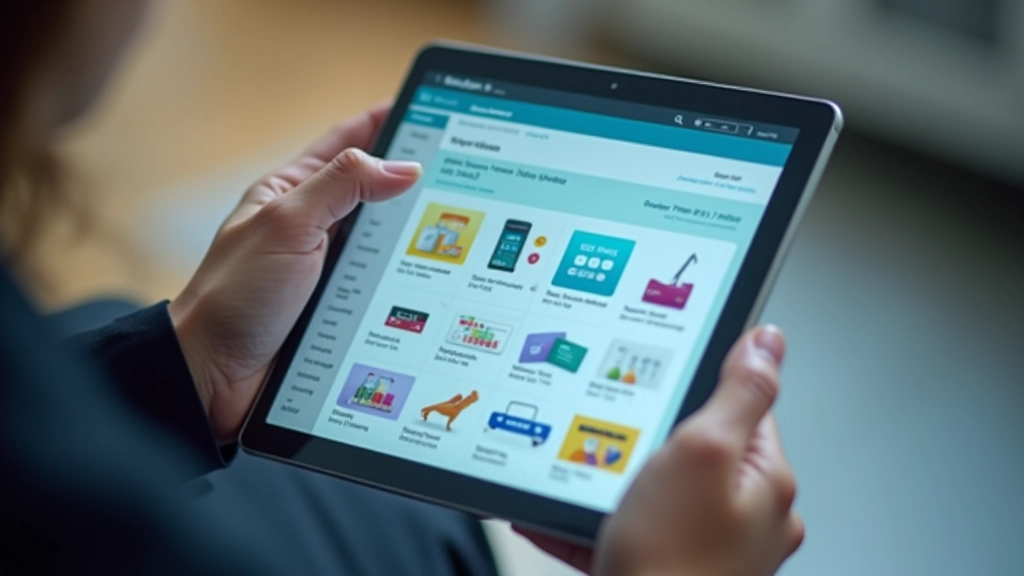
E-Commerce Boom: Growth Drivers and Market Trends
Malaysia’s e-commerce sector is experiencing rapid expansion driven by mobile adoption, improved logistics networks, and changing consumer expectations for online shopping convenience.
Read More
Understanding how Malaysia is reshaping its economy through strategic digital initiatives, e-commerce growth, and fintech innovation
Malaysia’s MyDIGITAL initiative isn’t just another tech strategy — it’s the nation’s blueprint for digital-first economic growth. Launched to accelerate digital adoption across government, businesses, and communities, it’s reshaping how Malaysia competes in the global digital economy.
The roadmap targets specific, ambitious goals. By 2025, Malaysia aimed for 70% of SMEs to adopt digital solutions. The digital economy’s contribution to GDP is expected to grow substantially, with e-commerce and fintech leading the charge. What’s happening isn’t theoretical — it’s measurable transformation you can see in how businesses operate today.


MyDIGITAL rests on three interconnected pillars. First is digital economy growth — expanding e-commerce, fintech, and tech-enabled services. Second is digital government, making public services faster and more accessible. Third is digital society, ensuring all Malaysians have skills and access to digital tools.
What makes this different from other strategies is the focus on integration. These aren’t separate initiatives. When government goes digital, it creates demand for tech talent. When businesses adopt digital payments, it grows fintech. When communities learn digital skills, they become workers and consumers in the digital economy. It’s a connected ecosystem.
“The digital economy is no longer a future goal — it’s the present economic reality for businesses that want to compete.”
— Digital Economy Analyst, Malaysia
Malaysia’s e-commerce sector is experiencing explosive growth. In 2024, online retail sales exceeded RM80 billion, with projections showing continued double-digit annual growth. Small businesses that were entirely offline five years ago are now selling across Southeast Asia.
What’s driving this? Mobile adoption rates above 80%, improving logistics networks, and platforms making it simple for anyone to sell online. More importantly, consumer behavior shifted. Malaysians now expect convenience — next-day delivery, multiple payment options, easy returns. Businesses either adapted or lost market share.


Digital payments aren’t optional anymore — they’re expected. Malaysia’s fintech adoption rates show 72% of adults using mobile banking regularly, up from 35% just five years ago. Digital wallets, peer-to-peer transfers, and cryptocurrency exchanges are now mainstream financial tools.
Banks aren’t disappearing; they’re transforming. Traditional institutions now compete with fintech startups, neobanks, and digital payment platforms. This competition benefits users through better features, lower fees, and faster services. The financial system’s becoming more inclusive — people without traditional bank access can participate through mobile platforms.
Regulatory frameworks evolved too. Bank Negara Malaysia established clear guidelines for digital assets and fintech companies, creating certainty for innovation while protecting consumers. It’s not a wild west — it’s a managed ecosystem encouraging responsible growth.
The technology and digital services sector now represents approximately 18-20% of Malaysia’s GDP, a significant increase from 12% a decade ago. This isn’t just growth in one company or sector — it’s across software development, IT services, digital marketing, e-commerce platforms, and emerging technologies like AI and cloud computing.
Employment in tech sectors expanded rapidly. Tech companies employ over 300,000 Malaysians directly, with indirect employment through supporting industries adding significantly more. Salaries in tech roles run 30-40% higher than national averages, attracting talent and creating middle-class opportunities.

Progress is real, but challenges remain. Digital divide persists — rural and lower-income communities still lack reliable internet access. Skills gap is significant; demand for tech talent outpaces supply. Cybersecurity concerns grow as digital adoption accelerates. Regulatory frameworks, while improving, sometimes lag behind innovation speed.
SMEs face adoption barriers despite government support. Smaller businesses struggle with implementation costs, technical expertise gaps, and understanding which solutions fit their needs. Change resistance exists too — not all business owners view digital transition as essential yet.
The roadmap addresses these challenges through targeted initiatives: infrastructure investment for rural connectivity, skills training programs through government agencies, cybersecurity standards for businesses, and simplified regulatory approval processes for fintech companies.
MyDIGITAL represents Malaysia’s serious commitment to economic transformation through technology. The targets are ambitious, but the progress so far shows they’re achievable. E-commerce is booming, fintech is reshaping finance, and the tech sector drives GDP growth.
For businesses, this means opportunity. Digital adoption isn’t a future consideration — it’s a present necessity. For workers, tech skills are increasingly valuable. For consumers, digital services are becoming the default. For investors, Malaysia’s digital economy presents compelling opportunities across multiple sectors.
The roadmap isn’t perfect, and implementation challenges persist. But the direction is clear. Malaysia isn’t just participating in the global digital economy — it’s positioning itself as a regional leader. The coming years will determine how successfully this transformation takes root across all segments of society.


This article provides educational information about Malaysia’s MyDIGITAL initiative and the nation’s digital transformation roadmap. The data, statistics, and analysis presented are based on publicly available information from government sources, industry reports, and economic analyses current as of March 2026.
The information is intended for educational and informational purposes only. Economic indicators, adoption rates, and projections may change based on market conditions, policy shifts, and unforeseen circumstances. Readers seeking specific financial, investment, or business decisions should consult with qualified professionals in relevant fields. This content doesn’t constitute financial advice, investment guidance, or business recommendations. Circumstances vary by individual and organization, and what applies broadly may not apply to specific situations.